Core components of vaporization technology
Heating elements transform e-liquid formulations into inhaled aerosol through controlled coil temperatures.
Hardware engineering behind modern vaporizers
Internal circuitry regulates atomizer power output from lithium cells. Different chassis designs accommodate various battery capacities and airflow control preferences.
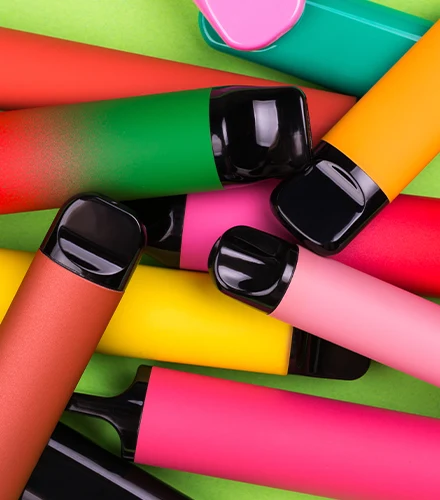

Ultra compact closed pod systems
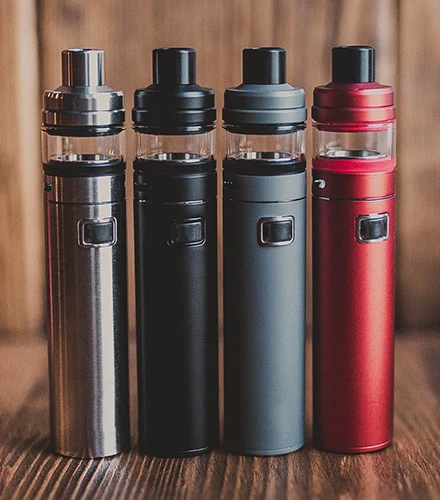

Classic cylindrical pen style vaporizers
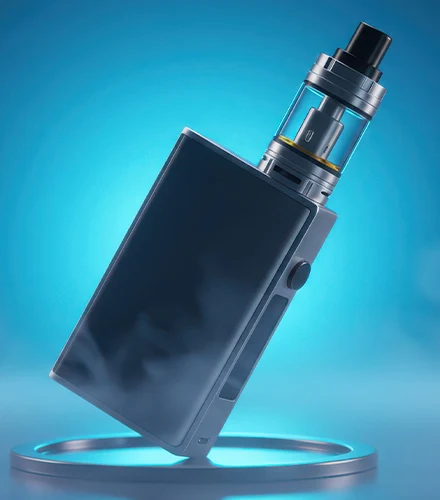

High wattage variable box mods
Chemical composition of vaping formulations
E-liquid bases consist primarily of vegetable glycerin and propylene glycol, which influence vapor density and throat sensation. Higher glycerin ratios produce thicker vapor suited to sub-ohm tanks, while propylene glycol carries flavor compounds and creates a stronger throat sensation. Manufacturers vary these base-liquid ratios to match atomizer resistance levels and device specifications.
E-liquid flavoring compounds create taste profiles ranging from botanical notes to dessert layers. Their stability supports consistent flavor delivery during heating when operating wattage stays within the recommended coil parameters.
Nicotine can be incorporated as freebase nicotine or nicotine salt formulations. Nicotine salts are used in higher-concentration liquids for lower-output devices, with a smoother throat sensation than comparable freebase formulations. Consistent mixing helps distribute the ingredients evenly before use.
Structured approaches to nicotine reduction
Transitioning away from combustible products can involve monitoring daily nicotine consumption. Users can then choose lower-strength e-liquids and follow a gradual nicotine reduction plan. Nicotine withdrawal symptoms can vary during this process.
Beyond nicotine dependence, behavioral routines can influence vaping cessation. The physical act of drawing vapor may address part of an established hand-to-mouth habit. Replacing familiar rituals with device maintenance can create a different routine during behavior change.
Tracking progress can focus on e-liquid consumption rather than counting individual uses. Changes in nicotine strength and device settings can then be monitored separately. Some users may eventually move to nicotine-free formulations.
Essential hardware maintenance and safety protocols
Routine inspection of the vaporizer chassis can reveal wear or liquid residue before it affects operation. Keeping vaporizer contact points clean supports stable power delivery and consistent device performance.
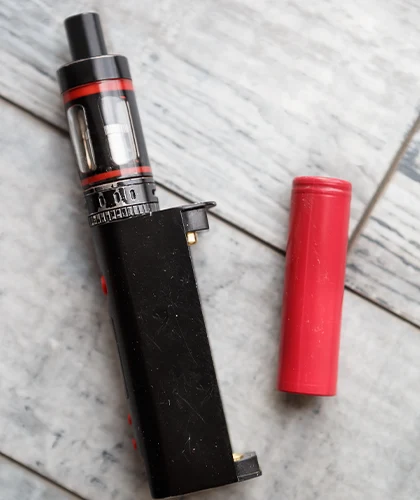
Battery care
Inspecting lithium cell wraps
Damaged external PVC sleeves compromise electrical insulation. Replacing torn battery wraps helps prevent battery short circuits inside a metal vaporizer chassis.
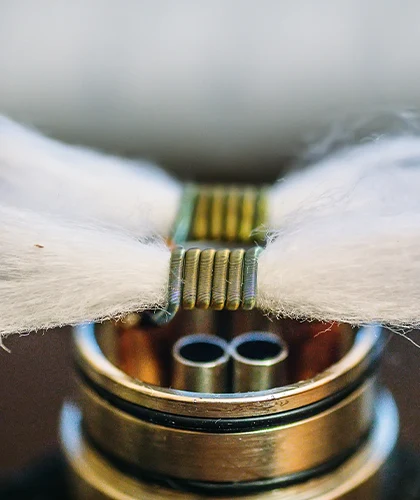
Coil setup
Priming the cotton wick correctly
Saturating the cotton wicking material before activation helps prevent the wick from heating while dry. Applying e-liquid directly to exposed wick ports supports full absorption before firing.
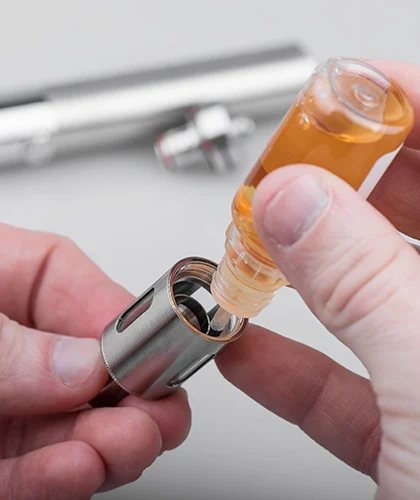
Tank hygiene
Disassembling and washing glass
Rinsing glass tank components in warm water helps remove accumulated residue. Allowing tank O-rings to dry thoroughly before reassembly helps preserve airtight tank seals.
Routine maintenance check
Protective gear and transport solutions

Silicone protective bands help shield glass reservoir tanks from impact during accidental drops. Padded vape travel cases can separate metal mods from spare glass tubes and reduce friction damage. Dedicated vape battery cases are important for pocket transport because they keep exposed battery terminals away from loose metal objects such as keys or coins, reducing short-circuit and thermal runaway risks.
Essential vape accessories
Specialized tools for rebuildable atomizers

Rebuildable atomizers require precise tools for manual coil assembly. Heat-resistant ceramic tweezers allow adjustments around heating elements without creating electrical shorts. Flush wire cutters trim excess coil leads close to terminal posts, ensuring the metallic cover fits without interference. Dedicated ohmmeters provide a separate platform for checking resistance before firing a rebuilt deck.
Comprehensive resources for device optimization practices
Exploring advanced vaporizer configurations requires fundamental knowledge of electrical principles. Regular vaporizer maintenance can extend the operational life of high-use hardware and support consistent performance.